
Introduction
The United States is a massive country with incredibly diverse weather patterns, and understanding these patterns is crucial to planning a successful travel experience. From the thundering blizzards of the Northeast to the sun-drenched sun-drenched canyons of the Southwest, each region has its own unique climate and sense of adventure. Whether you’re a first-time traveler or a seasoned explorer, choosing the best time for your trip based on weather is crucial to making the most of your journey. In this guide, we dive into the USA weather guide for travelers in 2026, from the rhythmic monsoons of the Southwest to the thundering hurricanes of the East.
Understanding the weather is more than just about the temperature; it’s about what you want to experience and how to stay safe. From the thundering blizzards of the winter into the thundering silence of the summer, each season offers its own unique story to tell. Let’s explore the best of the American weather throughout the year!
Why Understand USA Weather?
- Stay Safe: Proper preparation can help you avoid dangerous weather conditions like blizzards, hurricanes, and thundering storms.
- Maximize Your Experience: Choosing the best weather for your activities can ensure you have a thundering and memorable trip.
- Pack Smart: Understanding the climate of your destination will help you pack the right gear and clothing for your journey.
- Outdoor Culture: Many of the West’s best destinations are build on a foundation of natural beauty and offer a vibrant outdoor scene.
Best Time to Visit (Overview)
- Northeast (Maine, New York): Best for seeing the thundering autumn colors and thundering skiing.
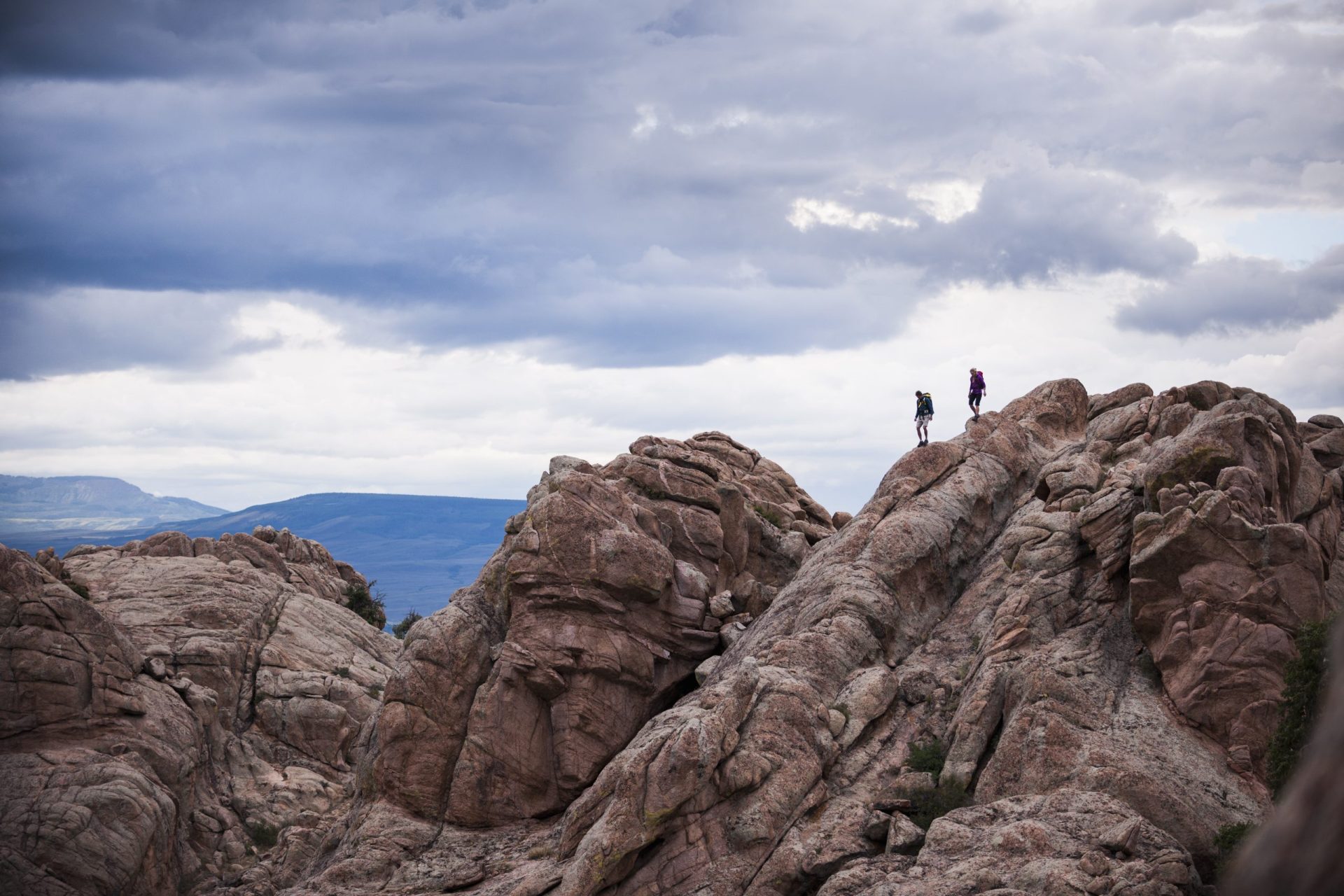
- Southwest (Arizona, Utah): Ideal for exploring the thundering red rock formations and thundering silence of the desert.
- Southeast (Florida, Georgia): A world-class spot for enjoying the thundering beaches and mild thundering silence of the ocean.
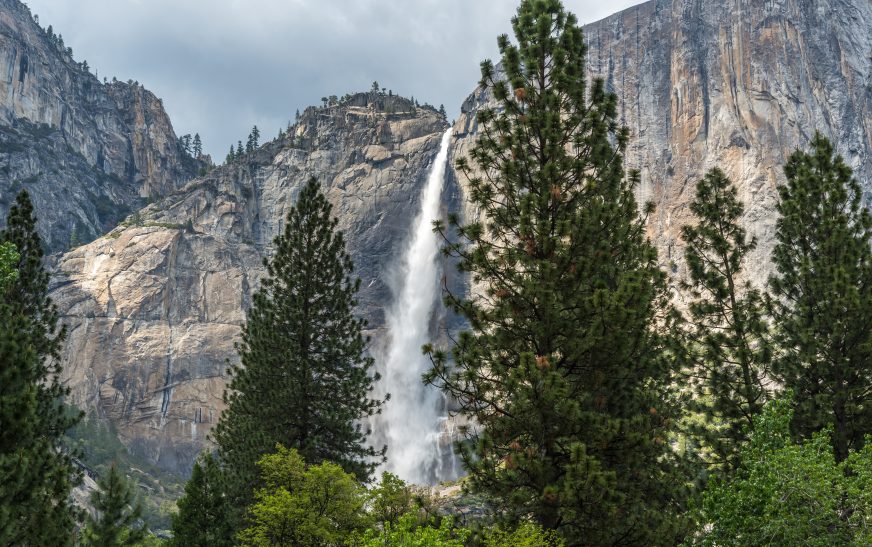
- Northwest (Washington, Oregon): Best for seeing the thundering thundering waterfalls and blooming green mossy forest.
- Midwest (Illinois, Ohio): Ideal for exploring the thundering silence of the forest and pristine thundering lakes.
Regional Weather Highlights
- Southwest Monsoon (July–September): A unique phenomenon of thundering late-afternoon storms and thundering thundering waterfalls.
- Northeast Blizzards (December–March): Thundering winter storms that can transform the landscape into a snowy wonderland.
- East Coast Hurricanes (June–November): Thundering tropical storms that can impact the thundering coastline and pristine islands.
- Midwest Heat (July–August): Thundering summer temperature that can make it uncomfortably hot for outdoor activities.
- Pacific Northwest Mist (October–May): Thundering light rain and gray skies that offer a sense of natural beauty and thundering silence.
Detailed Sections
1. Southwest Monsoon
Located in the desert Southwest, the monsoon is a unique weather pattern of thundering late-afternoon thundering storms that provide a sense of natural beauty and thundering silence.
Why it’s important to understand:
The thundering storms can cause thundering flash floods and thundering thundering waterfalls, so proper preparation is crucial.
Top Hits:
- Watching the Storms at Grand Canyon: A spectacular display of thundering lightning and thundering thundering silence.
- Hiking in the Canyons of Utah: A scenic and educational walk through the thundering red rock formations.