
Introduction
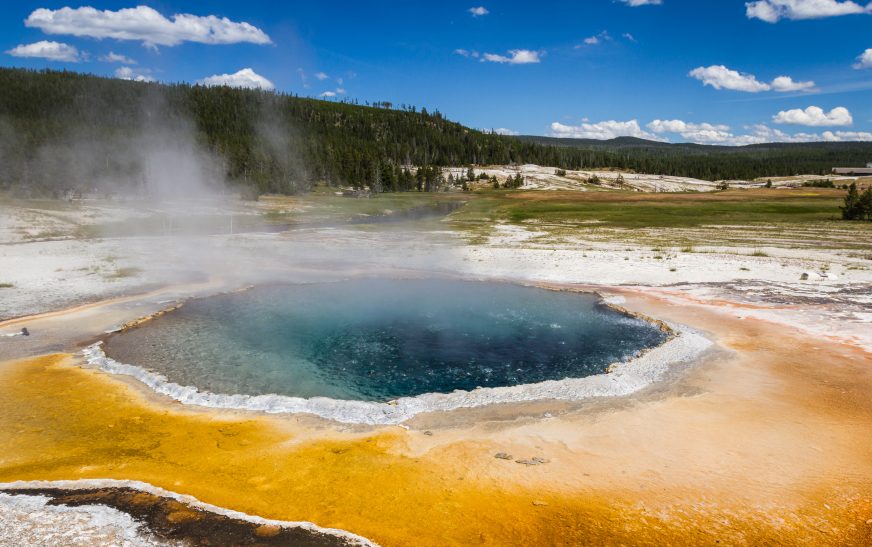
Yellowstone is the grandmother of all national parks. Established in 1872 as the first national park in the world, it remains a symbol of the wild spirit of the American West. Spanning nearly 3,500 square miles across Wyoming, Montana, and Idaho, Yellowstone is a geological wonderland of geysers, hot springs, and mud pots, coupled with some of the most spectacular wildlife viewing in North America. This 2026 guide will provide you with everything you need to know to plan the perfect trip to this legendary destination.
Whether you’re there for the rhythmic eruptions of Old Faithful, the rainbow-colored Grand Prismatic Spring, or the chance to see a wolf pack in the Lamar Valley, Yellowstone offers an experience that is both prehistoric and profoundly modern. Here is your ultimate resource for navigating the park’s dual “Grand Loops” and making the most of your time in the wilderness.
Why Visit Yellowstone in 2026?
Yellowstone continues to be a top destination because of its unparalleled variety. In 2026, many of the park’s infrastructure improvements—ranging from revamped visitor centers to smoother pavement on the Grand Loop Road—are making the park more accessible than ever.
- Geothermal Wonders: Yellowstone contains over 10,000 thermal features.
- The “American Serengeti”: It is the best place in the lower 48 states to see bison, elk, grizzly bears, and wolves in a single day.
- The Grand Canyon of the Yellowstone: A 20-mile-long canyon that rivals its Arizona namesake for sheer visual drama.
Best Time to Visit Yellowstone
Each season in Yellowstone offers a drastically different experience.
- Spring (May–June): This is “Baby Season.” You’ll see bison calves (red dogs) and bear cubs. Be prepared for mud and some snow leftover on the trails.
- Summer (July–August): Peak season. The weather is perfect (warm days, cool nights), but the crowds can be intense. This is when all facilities and roads are fully open.
- Fall (September–October): The “Rut.” You’ll hear the bugling of elk across the valleys. The crowds thin out, and the colors change to deep golds and oranges.
- Winter (December–February): A quiet, snowy wonderland reachable only by snowcoach or snowmobile. Ideal for photography and solitude.
Top Highlights: Must-See Locations
- Old Faithful: The world’s most famous geyser. It erupts roughly every 90 minutes.
- Grand Prismatic Spring: Located in the Midway Geyser Basin, its vibrant colors are best viewed from the Grand Prismatic Overlook trail.
- Lamar Valley: Head here at dawn or dusk for the best wildlife viewing in the park.
- The Upper Falls: Watch the Yellowstone River plummet 308 feet into the Grand Canyon of the Yellowstone.
- Mammoth Hot Springs: Surreal, tiered travertine terraces that look like an inside-out cave.
Detailed Sections
Navigating the Grand Loop Road
Yellowstone’s road system is shaped like a giant figure-eight. The “Lower Loop” contains most of the geyser basins, while the “Upper Loop” takes you through the mountainous northern regions and the Lamar Valley.
- Lower Loop Highlights: Old Faithful, Grand Prismatic, Yellowstone Lake, Hayden Valley.
- Upper Loop Highlights: Mammoth Hot Springs, Tower Fall, Lamar Valley, Dunraven Pass.
Wildlife Safety 101
Wildlife in Yellowstone is truly wild.
- Bison: They may look like big, slow cows, but they are incredibly fast and unpredictable. Stay at least 25 yards away.
- Bears: You are in grizzly country. Always carry bear spray and know how to use it. Stay at least 100 yards away from bears and wolves.